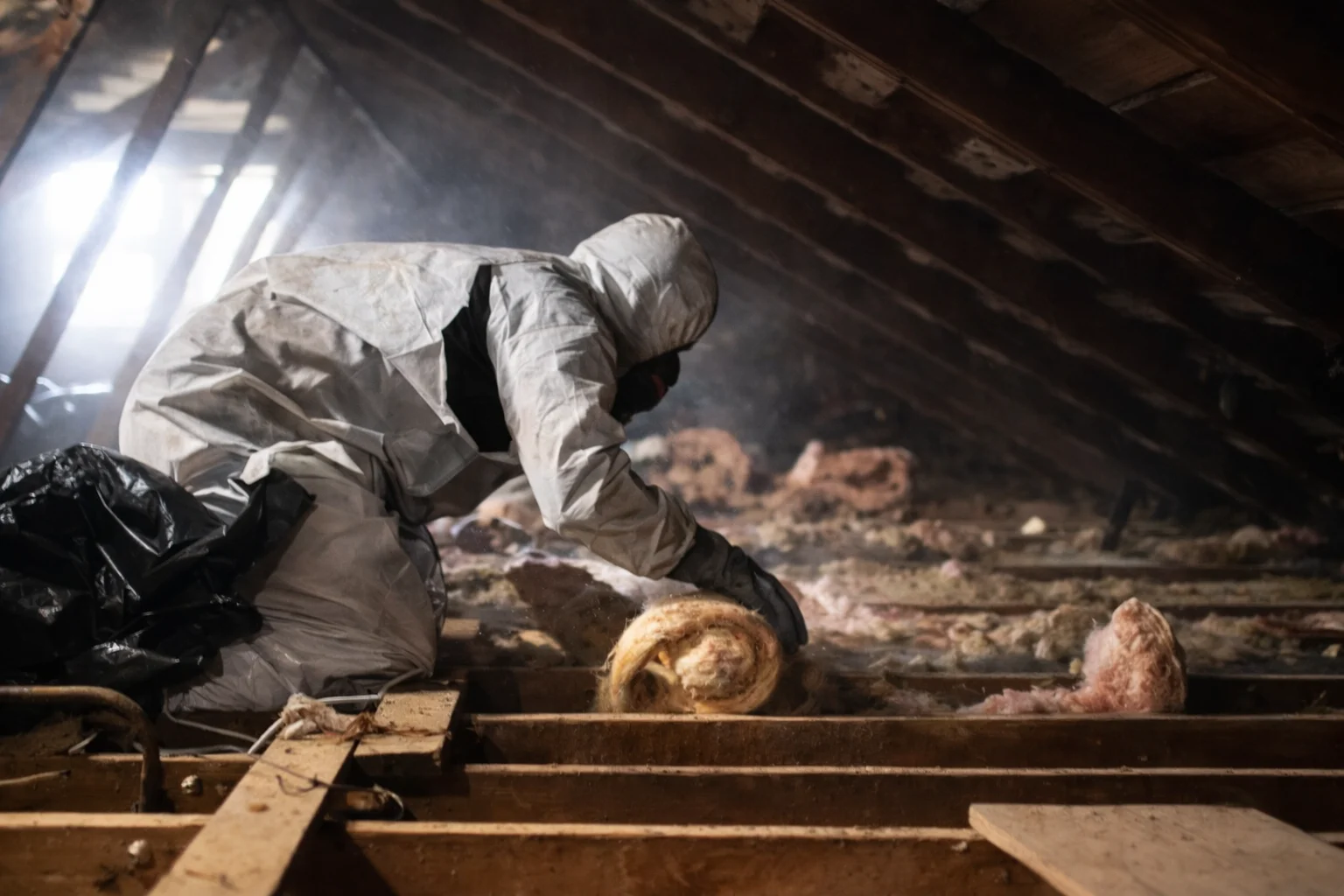
Insulation Removal Services in Minnesota
Extract damaged, contaminated, or degraded attic insulation to preserve building integrity, improve indoor air quality, and prepare your property for modern thermal upgrades.
Insulation removal services involve extracting compromised, degraded, wet, or pest-contaminated thermal insulation from attics, crawl spaces, and wall cavities using specialized commercial HEPA vacuum equipment and negative pressure containment systems. Homeowners in Minnesota require professional insulation extraction when existing materials suffer from rodent urine, mold accumulation, moisture saturation from ice dams, or extreme physical compression. Complete removal eliminates airborne pathogens, foul odors, and structural moisture risks, establishing a clean, bare-wood substrate necessary for comprehensive attic air sealing and high-efficiency re-insulation.
Out With Degraded Insulation: Restoring Your Home Foundation
Over decades of service in Minnesota's extreme climate, attic insulation degrades under thermal stress, air leakage, and environmental exposure. Loose-fill fiberglass and cellulose settle unevenly, reducing thermal resistance below recommended baseline standards set by the U.S. Department of Energy.
When insulation is compromised by roof leaks, animal activity, or heavy mold spores, topping off existing material only traps decay underneath. Crescent Moon Insulation delivers thorough insulation removal services across Central Minnesota, extracting every trace of ruined material without spreading airborne dust into living quarters.
Key Signs Your Insulation Must Be Completely Extracted
Not all insulation requires immediate removal. Clean, dry insulation can occasionally be preserved during retrofits. However, specific structural and environmental triggers require full extraction before installing fresh thermal barriers.
Rodent & Pest Infestation
Mice, squirrels, and raccoons nest inside loose fill, leaving droppings, urine saturation, and pheromone trails. Contaminated insulation radiates unpleasant odors into lower living spaces via air bypasses.
Moisture Saturation & Mold
Roof leaks, ice dam backups, or unvented bath fans dump moisture into attic fibers. Damp insulation loses insulating capacity and creates ideal breeding grounds for mold. Refer to the U.S. Environmental Protection Agency Guidance on Mold for remediation details.
Attic Air Sealing Preparation
To seal hidden attic bypasses, open top plates, and electrical penetrations effectively, technicians need unobstructed access to bare ceiling drywall. Removal clears out decades of debris to allow precision air sealing.
Physical Degradation & Dust
Old fiberglass batts disintegrate into fine glass particles, while ancient cellulose breaks down into irritating particulate dust that recirculates into ductwork and home living environments.
Pristine Attic vs. Damaged Attic Structural Comparison
Understanding how attic contamination affects your home requires visualizing what lies beneath the surface layer of old insulation. Below is a cutaway visual showing structural differences between healthy attic conditions and damaged insulation space.
Illustration 1: Cross-sectional visual highlighting structural degradation, mold colony formation, and severe height compression in ruined attic insulation.
Health Risks Associated With Damaged Insulation Materials
In addition to energy loss, contaminated insulation poses genuine indoor health concerns. Rodent urine and droppings trapped in blown cellulose harbored airborne bacteria. The Centers for Disease Control and Prevention Rodent Disease Protocols detail how rodent-borne pathogens spread when dust is disturbed improperly.
Furthermore, homes built prior to 1990 may contain vermiculite insulation, which frequently carries asbestos contaminants. If you suspect vermiculite in your attic space, review the EPA Vermiculite and Asbestos Guidance Page before attempting any physical removal.
Our 4-Step Professional Extraction Workflow
Removing insulation without heavy commercial equipment risks spreading hazardous dust, rodent dander, and fiberglass spores directly into living spaces. Our controlled containment workflow ensures clean extraction.
Home Containment & Prep
We seal access hatches with protective plastic sheeting and establish negative air pressure zones to keep dust completely isolated from living spaces.
HEPA Vacuum Extraction
High-powered commercial vacuum equipment pulls loose fill through high-density hoses directly into exterior collection bags located outside the building.
Hand Bagging Batts & Debris
Rigid fiberglass batts, rodent nests, and bulk debris are hand-bagged in heavy gauge bags inside the containment area before disposal transport.
Substrate Sanitization
Once bare ceiling joists are exposed, technicians vacuum residual dust with HEPA units, preparing the floor for sanitization, air sealing, and insulation rebuild.
Illustration 2: Animated negative-pressure vacuum extraction flow routing airborne particles directly to exterior disposal units.
Interactive Attic Insulation Removal Estimator
Use our interactive calculator to estimate vacuum volume, crew timeline, and budget parameters for your insulation extraction project in Minnesota.
Estimated Project Scope
Thermal Efficiency Loss vs. Insulation Moisture Saturation
Research published by the University of Minnesota Extension Service on Attic Moisture Control demonstrates how accumulated humidity and liquid water degrade thermal performance. Water conducts heat 24 times faster than trapped air space inside dry fibers.
Illustration 3: Data chart demonstrating drastic R-value collapse as insulation moisture content rises.
Insulation Type & Removal Complexity Comparison
Different insulation materials require tailored removal equipment and containment measures. Below is a comparative breakdown of removal protocols for typical Minnesota residential materials.
| Insulation Type | Extraction Equipment | Dust & Containment Level | Primary Removal Challenge | Next Step Recommendation |
|---|---|---|---|---|
| Loose-Fill Blown Cellulose | Commercial 23HP HEPA Vacuum & Hoses | High Containment (Dust Masks & Negative Air) | High dust volume and fine particulate settlement | HEPA vacuum ceiling, install air sealing and fresh blown-in insulation. |
| Blown Fiberglass | HEPA Suction Rig & Collection Bags | Moderate Containment | Glass fiber skin and lung irritation | Seal top plates and upgrade to high-density attic insulation. |
| Fiberglass Roll Batts | Hand Bagging & Vacuum Touch-Up | Standard Poly Containment | Bulky transport through attic hatches | Apply attic air sealing before re-insulating. |
| Rodent Contaminated Fill | Vacuum Unit + Antimicrobial Sanitization | Maximum Critical Containment Zone | Biological pathogen hazard & urine saturation | Perform full attic decontamination & sanitization. |
Explore Related Insulation & Sealing Services
Completing insulation removal is the first step toward comprehensive building envelope restoration. Discover our complete line of thermal and air sealing services:
Frequently Asked Questions About Insulation Removal
How much does insulation removal cost in Minnesota?
Insulation removal in Minnesota typically costs between $1.50 and $3.50 per square foot. Project pricing depends on attic square footage, insulation depth, physical accessibility, and whether rodent decontamination or mold treatment is needed.
When is complete insulation removal necessary instead of capping?
Complete removal is mandatory when insulation is wet, mold-affected, contaminated with animal feces or urine, or compressed by ice dam water backups. Covering contaminated insulation seals in odors and moisture hazards.
Can I replace attic insulation without removing the old layer?
New insulation can only be laid over existing material if the original insulation is clean, dry, and free of mold or animal contamination. If old insulation is damp or compromised, it must be removed first.
How long does attic insulation removal take for a residential home?
Most residential insulation removal projects take between 4 and 8 hours to complete. Commercial high-powered vacuum units extract loose-fill material rapidly while protecting home interiors.
Does insulation removal create dust inside the home?
Professional crews set up negative pressure air units and plastic containment seals around access points. Vacuum hoses run directly to exterior disposal trucks, keeping airborne dust out of living spaces.